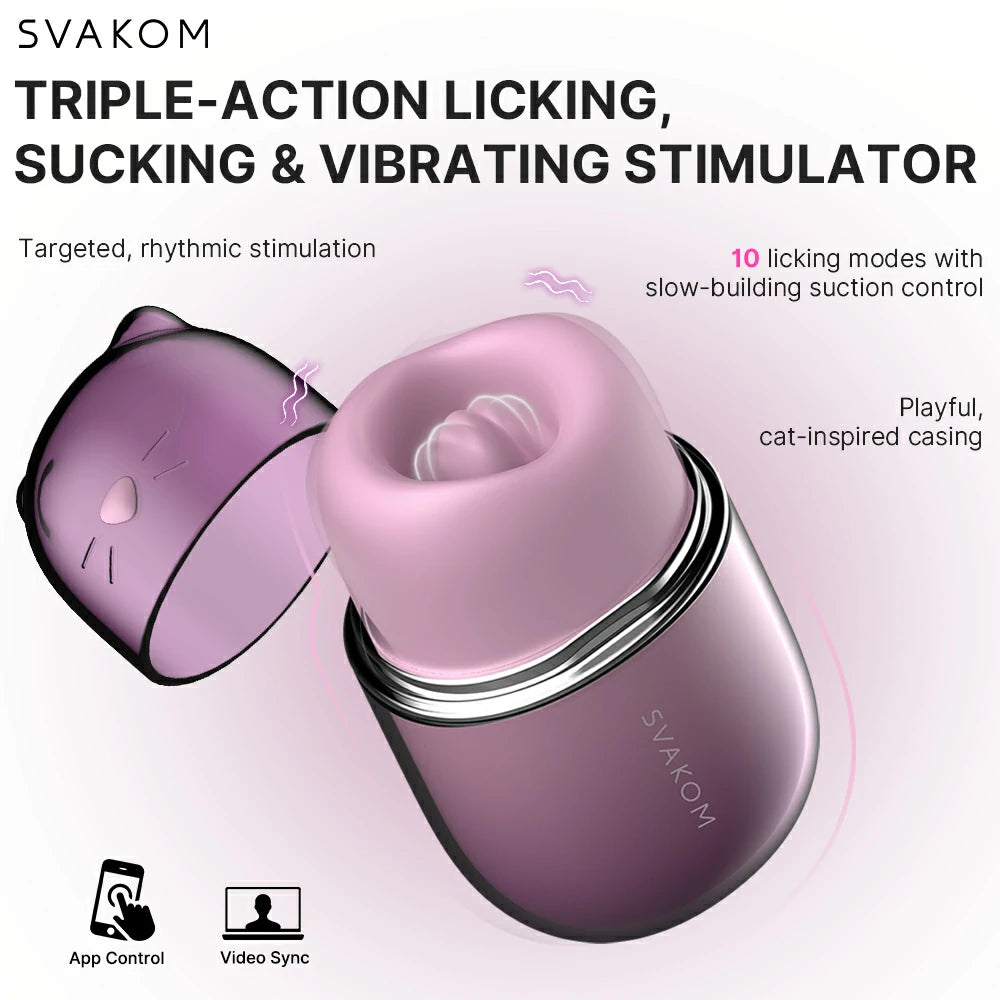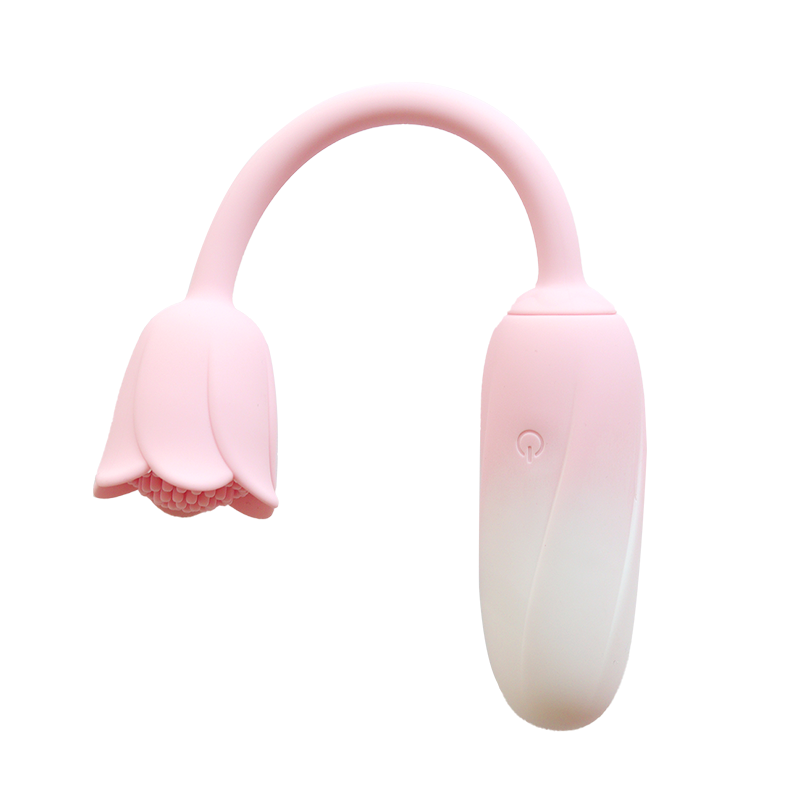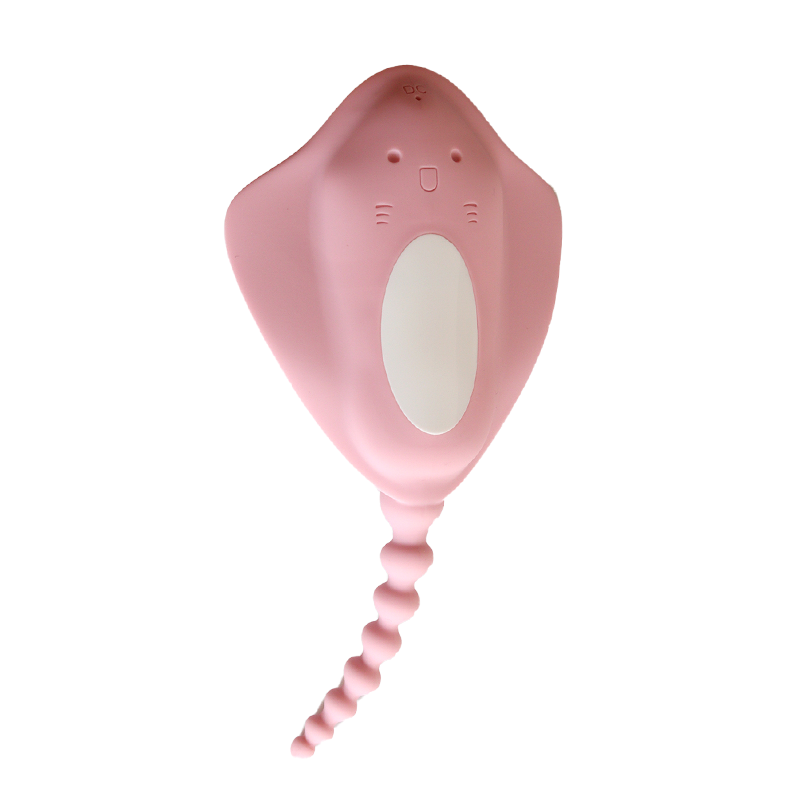
Compare documented connected products, control methods and development responsibilities.
Define what connected means
A connected-device brief should name the intended control arrangement and expected behavior. A remote control, a paired app and internet-based features are different requirements. Confirm which features work without a connection and which need additional software or hardware.
Compare documented product details
Start with the exact manufacturer model, available controls, dimensions, materials and charging specification. The directory does not assume software compatibility or wireless capabilities when the source does not document them. Ask for a demonstration using the proposed configuration.
Clarify software ownership and support
If software is part of the project, agree who maintains it, who controls release decisions and how future compatibility issues will be handled. Ask about update responsibilities, supported devices and what happens if a supporting service becomes unavailable. These are questions to resolve, not capabilities guaranteed by a listing.
Build a testable acceptance brief
Describe pairing, disconnection and expected recovery behavior for the intended system. Identify the scenarios the sample needs to demonstrate. Keep firmware or software versions with the approved sample record so production checks refer to the same configuration.
Plan sourcing responsibilities
Separate physical product manufacture, electronics, software, packaging and after-sales responsibilities in the quotation. Confirm the documents and testing appropriate to the destination market with a qualified adviser, then tie those requirements to the exact supplied product.