

Lovense / Shenzhen Love Sense
Shenzhen Love Sense Technology Co., Ltd.
Lovense's connected devices need a procurement review that covers hardware and the app together. Its Velvo and Tenera 2 manuals identify Shenzhen Love Sense as the factory and HYTTO in Singapore as manufacturer. That documented relationship is useful; it does not establish an open private-label or OEM offer.
- Published business route
- Authorized reseller/wholesaler application; third-party OEM terms not established [4]
- Brand in China
- LOVENSE 爱感 on lovense.cn (ICP filing 粤ICP备15081134号); Chinese legal name not printed there [6]
Read the factory attribution and manufacturer role separately.
Page 2 of the Velvo and current Tenera 2 manuals names Shenzhen Love Sense Technology Co., Ltd. as factory. Both give the second floor of Block B, Building 6, Pingshan Minqi Science Park, 65 Lishan Road, Nanshan District. They separately name HYTTO PTE. LTD. at 152 Beach Road, #11-05 Gateway East, Singapore as manufacturer. This is a product-document attribution, not a current registration check or a platform visit to the site. [1] [3]
The same manuals list China as country of origin and identify the model explicitly. Their value is the traceable link between a named device and a named production site. They do not establish employee numbers, annual output, ownership of the Lovense brand or the complete allocation of development and manufacturing work between the two companies. [1] [3]
For procurement, distinguish buying authorized branded devices from commissioning a different product. Lovense publishes a reseller/wholesaler application. A manufacturer name in a manual does not automatically entitle another buyer to the tooling, firmware, brand artwork or app integration. No current independent factory audit or government entity record was established in this review. [4]
Two connected devices, two different hardware reviews.
Velvo combines two independently controlled mechanisms; Tenera 2 uses an external air-pulse architecture. Both are connected products, but their mechanical acceptance checks and electrical inputs differ. Supplier figures below are not QQIP bench-test results.
| Model | Published configuration | Sample review focus |
|---|---|---|
| Velvo — rolling-bead rabbit device | Official page: silicone and electroplated plastic, 360 g, 110-minute charge, up to 78-minute use and IPX7. Manual: DC 5 V / 1 A input; separate external-vibration and internal-rotation buttons, with rotation reversal. [1] [2] | Evaluate each mechanism independently before testing simultaneous operation. Ask which settings and battery condition produced the stated runtime; the page does not establish runtime at maximum combined load. |
| Tenera 2 — connected air-pulse device | Current official manual: 5 V / 0.3 A input, 2402–2480 MHz radio range and a 70-minute charging diagram. Product page: app-controlled suction, silicone cover and IPX7; its maximum pulse-rate wording differs between sections. [3] [5] | The headline says up to 4,500 pulses/min while the comparison table says up to 5,000 airwaves/min. Confirm whether those are different measurement definitions or a revision discrepancy before putting one figure into retail artwork. |
Documented products on QQIP
Open the two QQIP model records to compare the documented devices and add the appropriate ones to your inquiry. Keep the selected hardware revision and requested sales channel in the message.
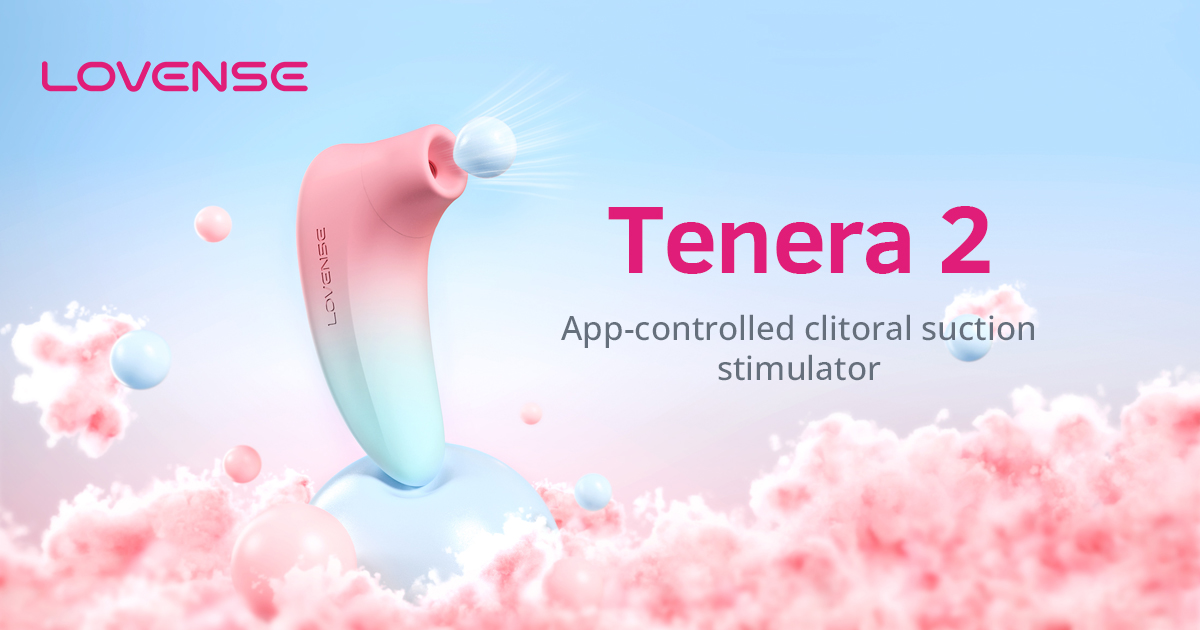
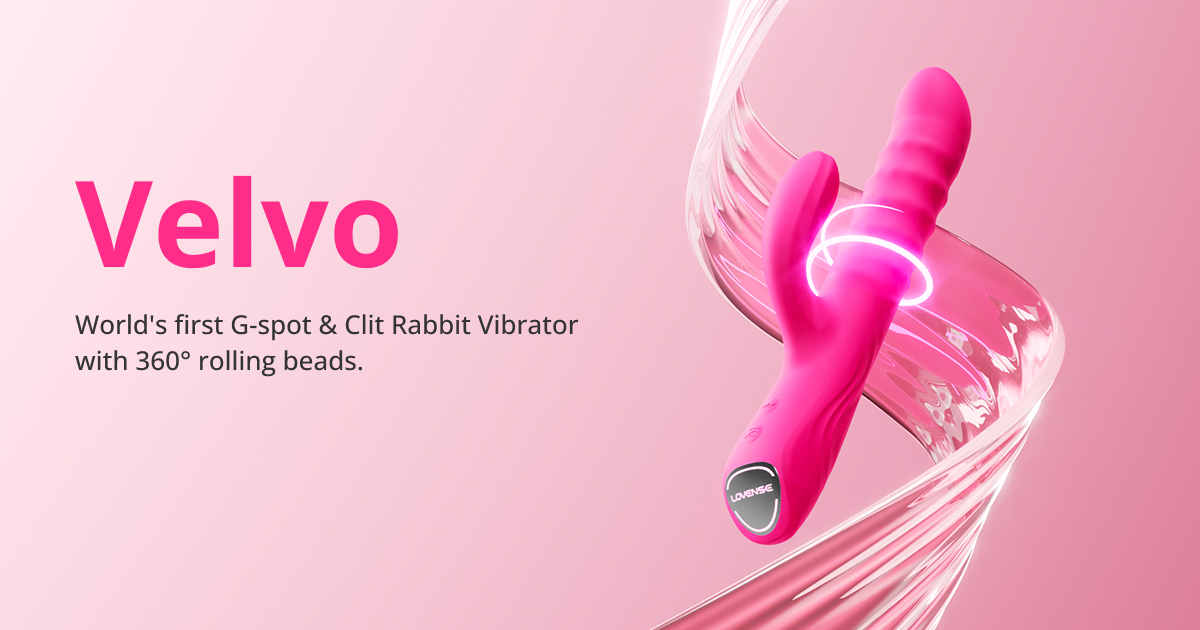
Product categories in this catalog
Approve the actual phone, app and device combination.
Velvo's manual distinguishes direct button control, interactive pairing with named controller devices and control of other Lovense devices. Tenera 2's page presents app patterns and remote control. An assortment decision should therefore cover a supported device/app combination, not only the silicone shape or motor output. [1] [5]
- Establish a reproducible configuration
- Record the hardware revision, firmware, app version, phone OS and connectivity used for acceptance. Test onboarding, normal local control, disconnect/reconnect and safe stopping. Keep a dated result for that combination instead of describing every old phone as compatible.
- Review Velvo's two mechanisms
- Check external vibration, internal rotation, reversal and combined operation using the supplied controls. Then review the proposed paired-device scenario separately. A successful local-button test does not establish the reliability of long-distance interaction. [1]
- Define software responsibilities
- Ask who supports pairing failures, firmware changes, app updates and account recovery in the destination market. For a developer proposal, request current integration documentation and permitted use. Do not assume that branded app access includes rights to ship a private-label connected device.
- Keep runtime claims tied to the test
- For a rechargeable connected device, specify intensity, active mechanisms, radio state and battery condition alongside the runtime result. Have the supplier confirm which sample and procedure its sales claim describes before adopting that wording.
The published entry point is authorized branded resale.
The reseller form asks for company and website details, target countries, existing brands and physical stores. It advertises a sales representative, marketing materials and staff training. Those are useful indications of a branded distribution program, but they are not a published contract, territory approval or numerical MOQ. [4]
- For a branded assortment
- Describe the countries, stores or online channels, intended models and quantities. Request the current wholesale list, authorization conditions, resale restrictions, warranty process and supply schedule before committing to a launch.
- For an integration proposal
- Describe the application, device-control behavior and supported platforms. Ask for technical and commercial review as an integration project; keep this separate from an order for unchanged retail units.
- For private-label or new tooling
- Ask explicitly whether third-party OEM/ODM work is offered. If it is, settle mechanical and software scope, intellectual-property permissions and acceptance deliverables before requesting a quote. Neither reviewed manual establishes that service.
Identify the model, revision and destination market.
The manuals provide electrical identifiers and compliance statements. Their scope is the named devices; they are not independent evidence for every product carrying the brand. Request the documents that match the final order and market. [1] [3]
| Topic | Published information | Buyer document or check |
|---|---|---|
| Power and charger definition | Velvo: DC 5 V / 1 A. Tenera 2: 5 V / 0.3 A. These are input ratings, not battery capacities or measured consumption. [1] [3] | Model-specific charging cable/accessory list, permitted power supply and battery documentation for the supplied revision. |
| Ingress and care | The Velvo manual and Tenera 2 product page state IPX7. No exact-model ingress test report was independently reviewed here. [1] [5] | Applicable report, sample/model identification and current care instructions. Do not extend an enclosure claim to charging equipment or unsupported cleaning methods. |
| Radio and market documents | Velvo's manual prints FCC ID 2AXNT-C24 (page 11); Tenera 2's current manual prints FCC ID 2AXNT-C14A (page 9). Direct FCC exhibit retrieval was access-denied during the October 2026 review. [1] [3] | Check the actual ordered label and obtain the corresponding authorization/declaration and reports. A printed identifier is not a platform-verified authorization receipt. |
| Materials and battery | Both manuals contain material and rechargeable-battery statements. They also state that the devices are not medical products with healing properties. [1] [3] | Exact formulation/material documents, applicable finished-product evidence, battery transport records and labels for the selected model and destination. |
Clarify the channel and specification before purchase.
Does this profile prove that Shenzhen Love Sense offers third-party OEM work?
No. The two model manuals name the factory, while the business page offers a reseller/wholesaler application. An OEM or private-label arrangement needs separate written confirmation of scope and permissions. [1] [3] [4]
Can the same charger specification be assumed for both devices?
No. The manuals specify 5 V / 1 A for Velvo and 5 V / 0.3 A for Tenera 2. Confirm the correct supplied accessories and approved charging arrangement for each model. [1] [3]
Which Tenera 2 pulse-rate figure should go on the sales sheet?
The reviewed page's headline and comparison table differ. QQIP has not selected one as a verified performance value. Ask for the definition, test method and applicable revision before using a maximum-rate claim. [5]
Is brand support the same as a verified factory sales contact?
No. The manuals publish Lovense support under the manufacturer's information. Use the authorized business route for a commercial request; a factory-direct sales relationship has not been established. [1] [3] [4]
Are wholesale quantity and lead time settled by the consumer page?
No. A retail promotion or availability message does not define a wholesale offer. Obtain quantity per model, shipment timing, territory approval and commercial terms from the authorized channel. [4]
A Lovense inquiry starts with your market and route to sale.
State whether you are proposing branded distribution, an integration or an OEM discussion; each requires a different response.
- Company, website, intended countries and store/online sales channels.
- Velvo and/or Tenera 2, hardware revision if known, and quantity per model.
- Branded resale authorization, current wholesale terms, availability and replenishment needs.
- App/firmware/phone configuration and required local or remote-control acceptance checks.
- Model-specific material, ingress, radio and battery documents for the destination market.
- Warranty and software-support responsibilities; separate written scope for any OEM or integration request.
Model manuals establish a narrower relationship than a general brand story.
QQIP Editorial independently prepared this profile from the official Velvo page, reseller page, Tenera 2 page and both official model manuals on 8 October 2026, and rechecked them on 30 October 2026: both manual files were unchanged (same SHA-256), and the factory, manufacturer, input and FCC ID statements were read again. Pages 2 and 3 of the current Tenera 2 PDF were visually checked for the two-company attribution and 70-minute charge diagram. An attempted FCC exhibit retrieval was access-denied, so no FCC record is presented as reviewed.
- Lovense — Velvo official user manual ↗
Page 2: manufacturer/factory and input; pages 3–9: controls, charge, IPX7 and connected behavior; compliance and safety sections are supplier statements.
- Lovense — Velvo product page ↗
Current supplier material, weight, charge/runtime and dual-mechanism descriptions; no QQIP performance test or wholesale quote.
- Lovense — current Tenera 2 user manual ↗
Current official download; page 2 names manufacturer/factory and input, page 3 shows 70-minute charging. Radio, material and safety wording does not substitute for reviewed test reports.
- Lovense — reseller / wholesaler program ↗
Published commercial application route and requested business information; no numerical MOQ or third-party OEM commitment established.
- Lovense — Tenera 2 product page ↗
Connected air-pulse architecture, silicone cover and IPX7 statement; 4,500-pulse headline conflicts with 5,000-airwave comparison wording.
- LOVENSE 爱感 — China website footer ↗
Chinese brand name LOVENSE 爱感 and ICP filing 粤ICP备15081134号, read 30 October 2026. The page does not print the operating company's Chinese legal name.